
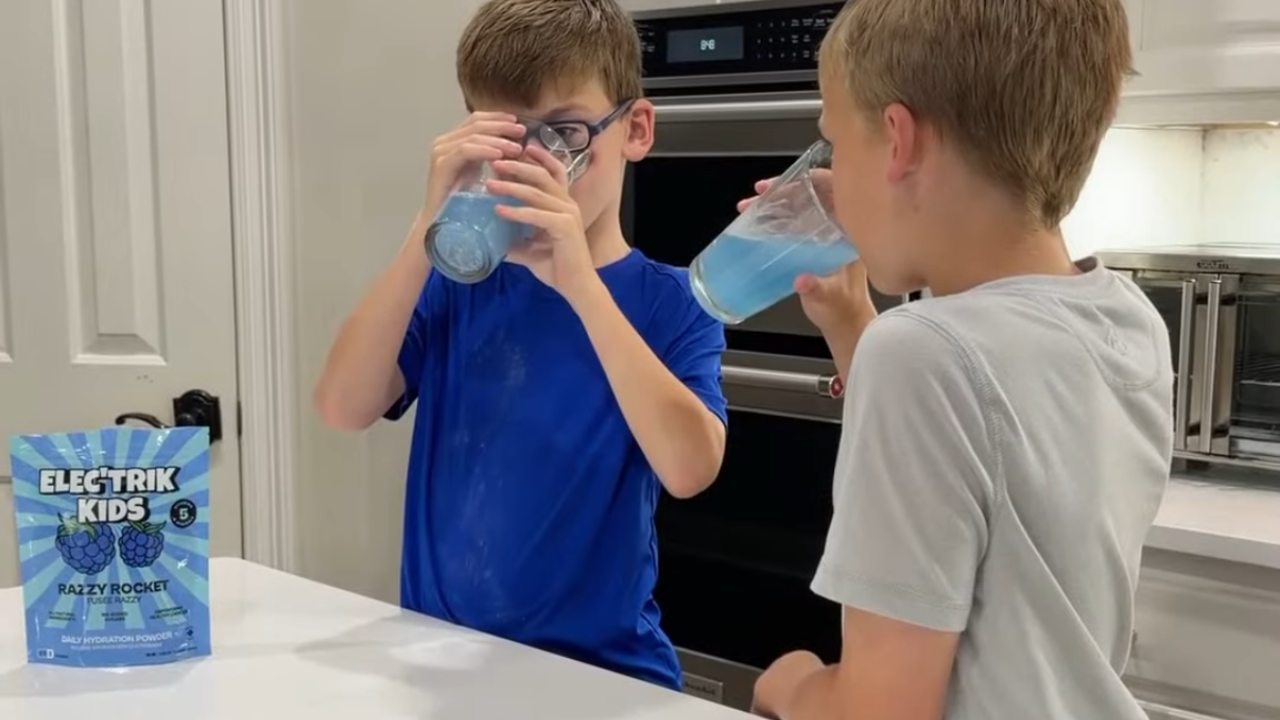
When kids are busy running, playing sports, heading to camp, or spending long days outside, dehydration can happen faster than many parents realize. And because children lose fluids more quickly than adults, even mild dehydration can affect their energy, mood, focus, and overall well-being.
The good news? The early signs of dehydration in kids are usually easy to spot once you know what to look for.
In this guide, we’ll break down the most common dehydration symptoms in children, when to worry, and what parents can do to help kids rehydrate quickly and safely.
Why Kids Are More Prone to Dehydration
Children naturally lose fluids through:
- sweating
- running and sports
- hot weather
- illness
- travel
- not drinking enough water during the day
Unlike adults, kids may not recognize when they’re thirsty — or they may simply ignore it while they play. That’s why dehydration symptoms can appear quickly, especially during summer activities or sports.
1. Low Energy or Unusual Fatigue
One of the earliest signs of dehydration in kids is a sudden drop in energy.
If your child:
- seems unusually tired after sports
- wants to lie down after playing outside
- struggles to keep up with normal activity
- complains about feeling “weak”
…dehydration could be the cause.
When the body loses fluids and electrolytes through sweat, muscles and energy systems can’t function properly.
What Parents Can Do
Encourage your child to:
- rest in a cool area
- drink fluids slowly
- replenish electrolytes after heavy sweating or activity
2. Headaches
A dehydration headache in kids is extremely common — especially after:
- sports practices
- hot weather
- long school days
- outdoor camps
- travel
When fluid levels drop, blood flow and circulation can be affected, which may trigger headaches.
Signs the Headache May Be Dehydration-Related
- headache after physical activity
- headache with fatigue or dizziness
- dry mouth or thirst
- irritability alongside the headache
What Parents Can Do
Offer water plus electrolyte support, especially if your child has been sweating heavily.
3. Dry Lips and Dry Mouth
This is one of the easiest dehydration symptoms to spot.
Watch for:
- cracked lips
- sticky mouth
- dry tongue
- complaints of thirst
Mild dehydration often starts with dryness before more serious symptoms appear.
Parent Tip
Kids who breathe through their mouths during sports or sleep may need extra hydration throughout the day.
4. Dark Yellow Urine
Urine color is one of the best indicators of hydration.
Pale yellow usually means your child is well hydrated.
Dark yellow urine may signal dehydration.
Other Signs to Watch For
- fewer bathroom trips
- strong-smelling urine
- going long periods without peeing
What Parents Can Do
Encourage small, frequent sips of fluids instead of trying to “catch up” all at once.
5. Dizziness or Feeling Lightheaded
If your child feels dizzy after running, sports, or being outside in the heat, dehydration may be involved.
Fluid loss affects circulation and can make kids feel:
- shaky
- lightheaded
- off-balance
- weak
Important
If dizziness is severe, persistent, or accompanied by vomiting or confusion, seek medical attention.
6. Irritability or Mood Changes
Many parents are surprised to learn that dehydration can affect mood and focus.
Kids who are mildly dehydrated may become:
- cranky
- emotional
- less focused
- unusually frustrated
Sometimes dehydration looks more like a “bad mood” than a physical symptom.
Why It Happens
The brain depends on proper hydration to function well. Even small fluid losses can affect concentration and energy levels.
7. Muscle Cramps During or After Activity
Sweating causes the body to lose important electrolytes like sodium and potassium.
Without enough fluid and electrolyte replacement, kids may experience:
- leg cramps
- muscle tightness
- soreness
- fatigue during sports
This is especially common during:
- soccer tournaments
- hockey weekends
- dance competitions
- summer camps
- long outdoor activities
What Parents Can Do
Hydration before, during, and after activity matters — not just afterward.
When Should Kids Drink Electrolytes Instead of Just Water?
Water is important, but after heavy sweating, illness, or long activity, kids may also need electrolytes.
Electrolytes help support:
- hydration balance
- muscle function
- energy levels
- recovery after sweating
Situations where electrolyte support may help include:
- sports and tournaments
- hot summer days
- illness with vomiting or diarrhea
- outdoor camps
- travel days
- long active afternoons outside
How to Help Prevent Dehydration in Kids
Here are simple ways parents can stay ahead of dehydration:
Encourage Hydration Before Activity
Don’t wait until kids are thirsty.
Pack Drinks for Busy Days
Especially for:
- sports practices
- beach days
- camp
- travel
- school field trips
Offer Fluids Regularly
Kids often forget to drink while playing.
Include Electrolytes After Heavy Sweating
Especially during hot weather or long activity sessions.