
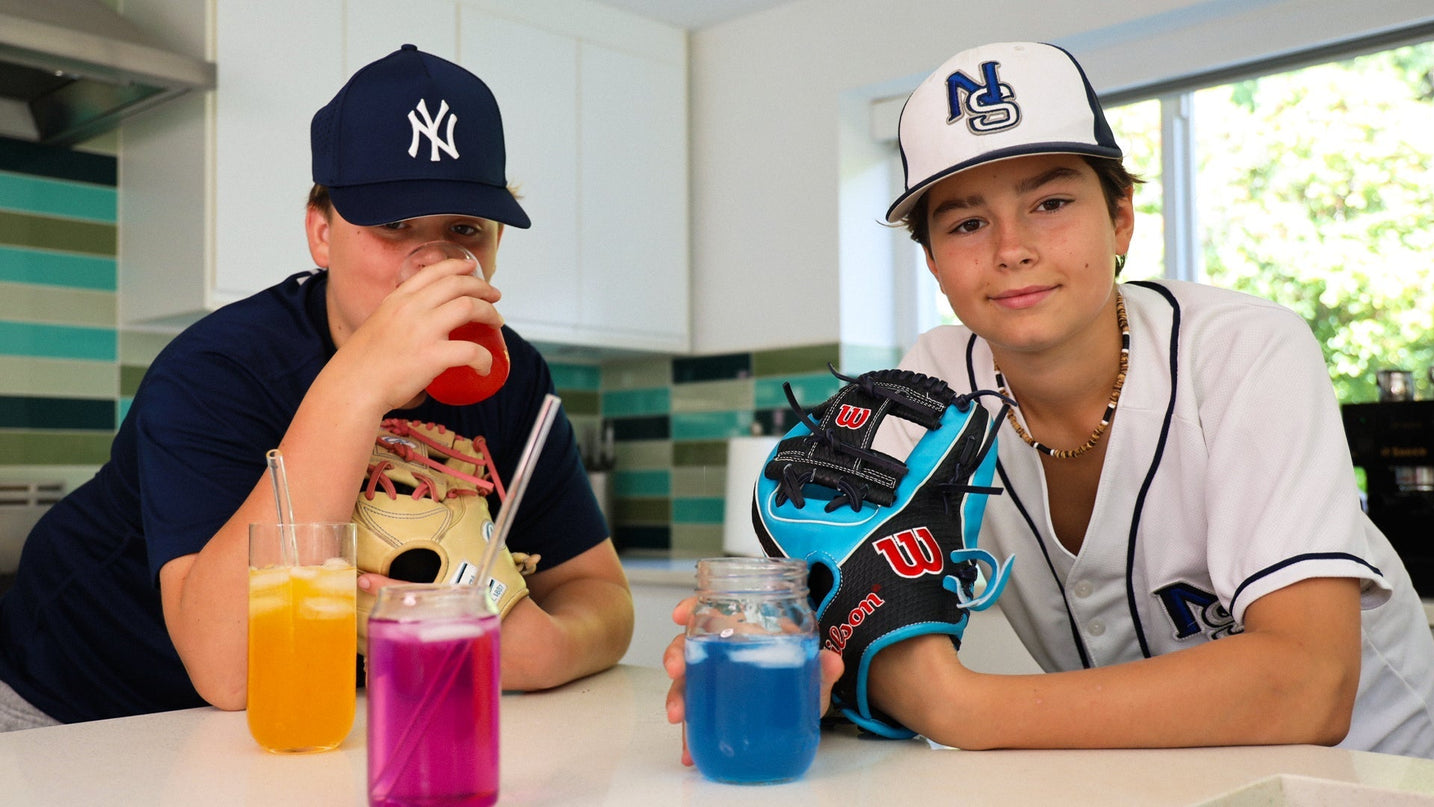
Whether your child plays soccer, swims competitively, or runs track, proper hydration can make the difference between peak performance and early fatigue. As parents and coaches, understanding hydration strategy gives young athletes a competitive edge while keeping them safe.
Why Hydration Matters for Athletic Performance
Even mild dehydration (as little as 2% body weight loss) can significantly impact a young athlete's:
- Physical Performance: Strength, speed, and endurance all decline with inadequate hydration
- Mental Sharpness: Decision-making and reaction time suffer when dehydrated
- Injury Risk: Dehydrated muscles are more prone to cramps and strains
- Recovery Time: Proper hydration speeds muscle repair and reduces soreness
- Body Temperature: Hydrated kids regulate heat better, reducing heat illness risk
Young athletes often don't recognize thirst signals until dehydration has already affected performance. Proactive hydration is key.
Before, During, and After: The Complete Hydration Timeline
Pre-Game Hydration (2-4 Hours Before)
The foundation for good performance is laid hours before game time:
- 4 hours before: Have your child drink 8-16 oz of water
- 2 hours before: Another 4-8 oz of water
- 30 minutes before: Final 4-6 oz
Pro tip: Monitor urine color. Pale yellow (like lemonade) means well-hydrated. Dark yellow (like apple juice) means they need more fluids.
Plain water is perfect for pre-game hydration. Save electrolyte drinks for during and after activity.
During Activity
This is where active hydration becomes crucial:
- Every 15-20 minutes: 4-6 oz of fluids (about 4-5 gulps)
- Activities under 60 minutes: Water is usually sufficient, can add in an electrolyte
- Activities over 60 minutes: Switch to electrolyte drinks like Elec'trik
Practical strategies:
- Set timers or schedule water breaks
- Make hydration part of timeout routines
- Keep a marked water bottle to track intake
- Teach kids to drink even when not thirsty
During hot weather or high-intensity games, increase fluid intake by 25-50%.
Post-Game Recovery
Recovery hydration is often overlooked but equally important:
- Within 30 minutes: 8-16 oz of electrolyte drink
- Next 2-4 hours: Continue drinking to replace lost fluids
- Rule of thumb: Drink 16-20 oz for every pound lost during activity
Check your child's weight before and after practice to understand their typical fluid loss.
Sport-Specific Hydration Strategies
Soccer, Basketball, Lacrosse (Continuous Running):
- High sweat rates, especially outdoors
- Frequent water breaks during timeouts
- Electrolytes essential for games lasting 60+ minutes
- Focus on maintaining energy throughout the game
Swimming:
Yes, swimmers sweat! The pool water masks it, but swimmers lose significant fluids.
- Drink between sets during practice
- Keep water bottle at pool edge
- Don't rely on feeling thirsty—water suppresses thirst signals
- Electrolytes important for long practices
Tennis, Baseball (Start-Stop Sports):
- Natural break times for hydration
- Less continuous sweating but still crucial
- Hot weather = elevated risk
- Teach kids to hydrate during every position change
Track and Field:
- Varies by event (sprinters vs. distance runners)
- Distance runners need proactive electrolyte replacement
- Hot track surfaces increase heat stress
- Time hydration between events carefully
Cross Country, Distance Running:
- Highest fluid and electrolyte loss
- May need mid-run hydration for races over 30 minutes
- Practice race-day hydration during training
- Post-run recovery especially critical
Teaching Kids to Self-Monitor
The Urine Test:
Teach kids to check their urine color:
- Clear to pale yellow = well hydrated
- Dark yellow = needs more fluids
- Brown or very dark = severely dehydrated (seek medical help)
Body Awareness:
Help them recognize dehydration symptoms: thirst, dry mouth, fatigue or weakness, headache, dizziness, and muscle cramps.
The Pinch Test:
Pinch skin on back of hand. If it snaps back quickly, well-hydrated. If it stays "tented" for a moment, dehydrated.
Common Mistakes to Avoid
- Mistake #1: Waiting Until Thirsty — Thirst lags behind actual need. Encourage scheduled drinking.
- Mistake #2: Only Hydrating at Sports — Daily hydration matters. Kids should drink water consistently throughout the day.
- Mistake #3: Sugary Sports Drinks during non-active periods— Save electrolyte drinks for moderate activity levels. Or opt for a non-sugary electrolyte to help top up electrolyte levels.
- Mistake #4: Ignoring Individual Differences — Some kids sweat more than others. Pay attention to your child's specific needs.
- Mistake #5: Forgetting Winter Sports — Cold weather doesn't eliminate hydration needs.
The Elec'trik Advantage for Athletes
Elec'trik was designed with young athletes in mind:
- Single-serve packets fit easily in sports bags
- Fast-mixing for quick preparation between games
- Great taste means kids actually want to drink it
- Balanced electrolytes support performance without excess sugar
- Portable and convenient for tournaments and travel
Bottom Line
Proper hydration isn't complicated, but it does require planning and consistency. Young athletes perform better, feel better, and stay safer when hydration is prioritized. Make it part of your athlete's routine, teach them to self-monitor, and watch their performance improve.
Remember: Champions are made during training and recovery, and hydration is the foundation of both.